|
|
|
 |
|
RIVIERA MAYA
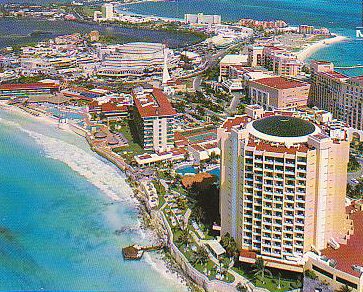
A page from a history book opens up in front of your eyes as soon you land in Cancun, Mexico. High-rises, ultra-modern hotels, and buildings
that look like
string of pearls adorn the coastline of the Yucatan Peninsula.
The white beaches that they are positioned on were covered with dense jungle until the 1970s.
The land around Cancun and westwards is
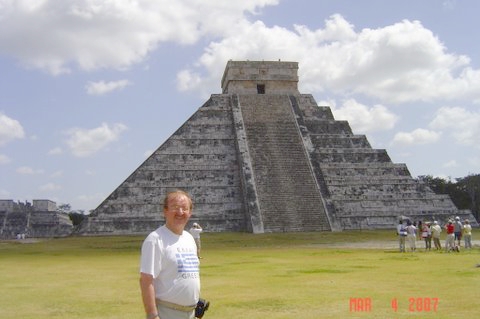
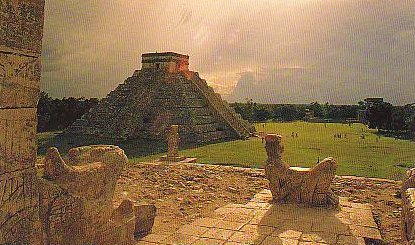
a small portion of the Mayan world, which flourished millenniums ago in the known today as Central Mexico, Belize, Guatemala, Honduras and San Salvador. The Spaniards discovered the Mayas in 1518. They
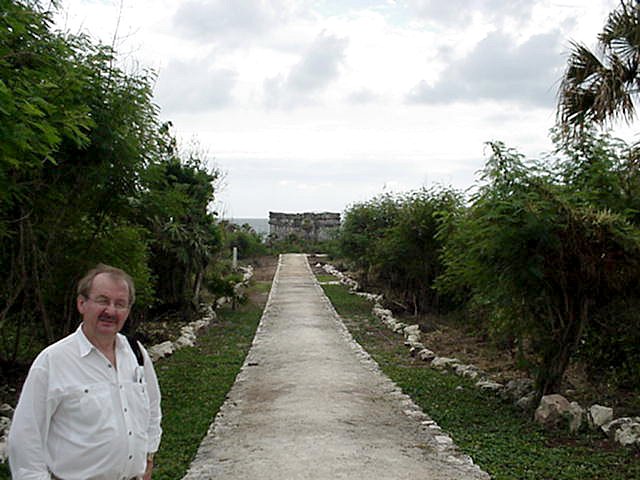
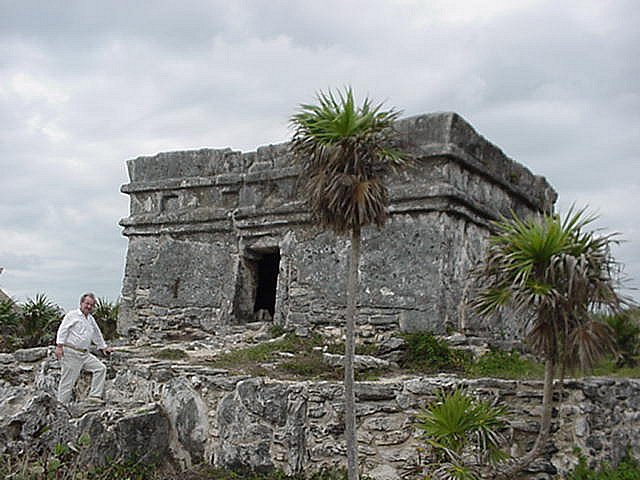
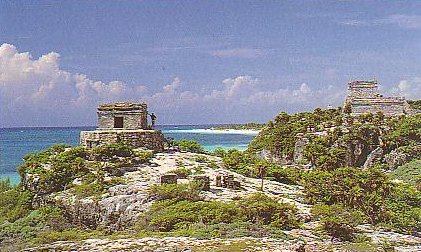
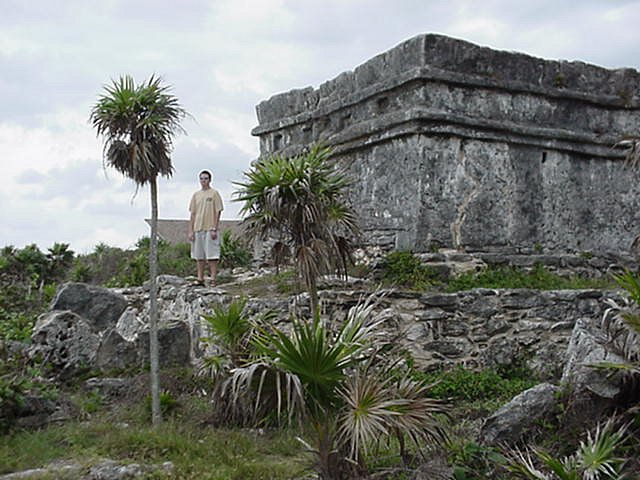
recorded the discovery of Tulúm as being, "a spectacular architectural structure". It was an ancient walled city erected on a cliff.
The only walled city the Maya built and the only one
facing the Caribbean Sea.
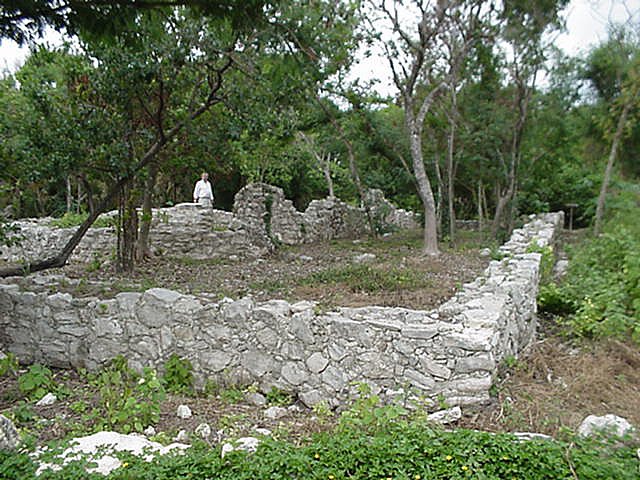
The ruins date back to the 300 B.C. - 100 A.D. but most date back to the classic Mayan period around 600- 900 A.D.
Today, in the 21st century, the traces of this
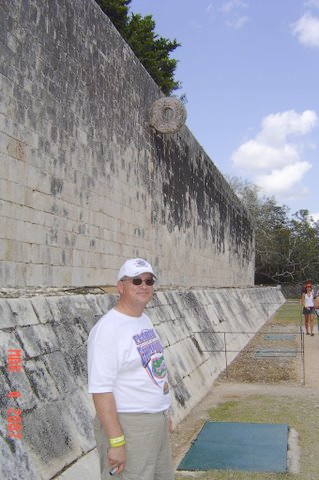
once great civilization are still noticeable all over, including the customs and culture of the friendly descendants of the Mayan people.
|
|
|
|
|
|
|
|
|
|
 |
|
|
RIVIERA MAYA
Beim Landen in Cancun fühlt man den Anschein, als ob sich eine neue Seite im Geschichtsbuch eröffnet hätte. Hochhäuser, supermoderne Hotels und Gebäude schmücken wie eine Perlenkette
die Küste der Yucatan Halbinsel. Die weissen Badestrände welche zwischen den Bauten und dem Meer liegen , waren bis in die 1970 ziger Jahre, noch dichter Dschungel. Das Land westlich von Cancun, stellt
nur einen kleinen Teil des einst, vor etwa Tausend Jahren, mächtigen Maya Reiches dar. Es erstreckt sich über das Gebiet aus, welches wir heute als Zentral Mexiko, Belize, Guatemala, Honduras und San
Salvador, bezeichnen. Die Mayas wurden 1518 von Spanien entdeckt. Sie berichteten über die Entdeckung von TULUM : “es ist ein aufsehenseregendes, architektonisches Bauwerk”. Tulum ist
eine, auf steilen, überhängenden Felsen mit Wällen umgebene Stadt. Die einzige von den Maya Indianern mit Wällen umfassende, erbaute Stadt mit der Sicht auf das Karibische Meer. Die Ruinen führen
zu der Zeit 300v.Chr.-100 n.Chr. Doch der grösste Teil weist auf die klassische Periode der Maya hin, auf die Jahre 600-900 n Chr. Heute, im 21. Jahrhundert, sind die Spuren dieser
einst überwältigen Zivilisation noch überall erkennbar. Vor allem in den Sitten und Gebräuchen dieser freundlichen Nachkommen des Maya Volkes.
|
|
|
|
|
|
 |
|
|
RIVIERA MAYA
W czasie lądowania w Cancun wydaje się jakby nowa strona się w historycznej książce otwarła. Wieżowce, super nowoczesne hotele ozdabiają brzegi półwyspu Yucatan.
Te białe brzegi które między tymi budowlami i brzegiem morza leżą, były jeszcze w latach 70-tych porośnięte gęstą dżunglą. Powierzchnia kraju na zachód od Cancun, jest tylko częścią tego potężnego kiedyś
przed około tysiącem lat państwa Mayów, które się znajdowało na terenach dzisiejszych państw Centralny Meksyk, Belize, Gwatemala, Honduras i San Salwador. Mayowie zostali w 1518 roku odkryci przez
Hiszpanów, którzy wtedy pisali o odkryciu Tulum :” to jest bardzo wspaniały architektoniczny styl budowy” Tulum jest miastem zbudowanym na stromych zboczach skał, to jedyne przez Mayow
zbudowane miasto otoczone wałami obronnymi z widokiem na morze karaibskie. Ruiny te prowadzą nas do lat 300 przed Chrystusem, aż do roku 100 po Chrystusie, jednak ta największa
klasyczna część pochodzi z lat 600 - 900 po Chrystusie. Dziś w 21 wieku są jeszcze widoczne ślady tej kiedyś wspaniałej cywilizacji. Przedewszystkim pokazuje się to w obrządkach i życiu tych dziś
jeszcze żyjących uprzejmych potomków narodu Mayów.
|
|
|